
What Slot Feature Buy Mechanics Mean for Your Wallet
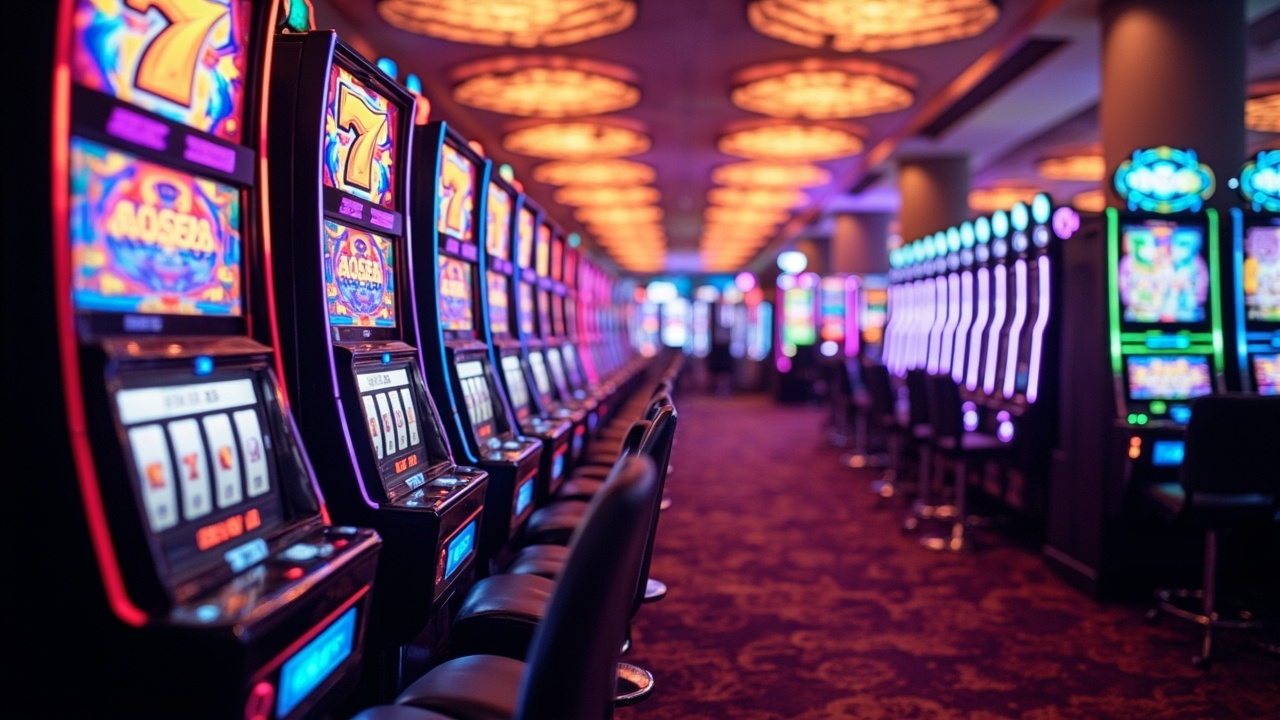
Walking into a busy arvo at a Hobart pub and watching the pokies spin is one thing; paying extra to trigger a bonus round is another. Slot feature buy mechanics let players skip the base-game grind and pay a fixed stake to start a feature immediately. It sounds simple, but the cost structure and trigger logic matter more than most people realise before they tap buy. For anyone weighing whether that extra spend makes sense, the maths behind the mechanic deserves a proper look, and a quick glance at the uptownaces bonus terms can show how promotions sometimes frame these features in practice.
For punters seeking faster action, the option to buy into a bonus round has become a staple in many modern video slots. However, understanding the odds and return-to-player rates behind these paid features is crucial for responsible play. You can explore how different mechanics compare to card games like blackjack switch online to see where the house edge really sits.
How the Buy Option Actually Works
The mechanic sits inside the base game screen, usually as a separate button next to the standard spin controls. When activated, the game deducts a fixed amount from your balance and immediately enters the bonus round, if the title supports it. That amount is typically set as a multiple of the current line bet, so a player running a $0.20 per line wager might see a feature buy priced at 80 or 100 times that stake. The round then plays out with its own set of rules, free spins, expanding symbols, or pick-em screens, and any win is returned straight to the balance. Nothing about the feature changes the underlying volatility of the game; it simply front-loads the entry point. Players who treat the buy as a shortcut rather than a pricing decision often miss that the expected value of the feature is already baked into the base RTP, which means the buy is really a timing choice, not a value upgrade.
Cost Structure and What the Numbers Tell You
The clearest way to judge a feature buy is to compare the buy price against the average cost of reaching the same feature through natural play. A game that awards the bonus on roughly one spin in every 200 will, over a long session, cost far more in base spins than a single buy, but that comparison only holds if you are willing to sit through the dry spells. The table below shows how a few common pricing setups stack up against a typical base-game trigger rate, using a $0.20 per according to our site line stake as the reference point.
| Feature buy price | Multiplier on line bet | Approx.base spins to trigger | Buy cost per attempt |
|---|---|---|---|
| $16.00 | 80x | 1 in 180 | $16.00 |
| $20.00 | 100x | 1 in 200 | $20.00 |
| $24.00 | 120x | 1 in 220 | $24.00 |
Those figures are illustrative rather than tied to any single title, but they show why the buy price and the trigger rate need to sit side by side before you decide. A higher buy price does not automatically mean a richer feature; it often just means the operator has set a steeper entry fee. In my FP&A days I saw plenty of commercial teams treat a higher price as a proxy for quality, and that is a rough way to judge a game mechanic because the two variables move independently. A player who wants to compare apples with apples should look at the feature’s average return per spin once it starts, then work out whether the buy fee leaves enough room for that return to matter over a short session.
Player Fit and When the Buy Makes Sense
The buy option suits a particular style of play more than it suits everyone. If you are sitting down for a short session, want a defined stop point, and prefer to see the feature within the first few minutes, the buy can line up with that plan. It is less useful for a long, patient run where the base game is already delivering the bonus at a rate you are comfortable with. The mechanic also asks for a clear budget discipline, because the buy is a separate line item on the session spend and it is easy to treat it as a small extra rather than a real cost. I have watched commercial budgets blow out because people stacked small convenience fees without tracking the total, and the same habit shows up at a pokies terminal when a player buys three features in a row without checking the running total. If you are the sort of player who likes to set a session limit, track the base-game spend, and only use the buy when the remaining balance and time align, the mechanic can fit neatly into that approach.
Some titles price the buy in a way that leaves a comfortable gap between the fee and the feature’s average return, while others push the fee close to the expected payout, which narrows the room for variance. That gap is the part worth checking before you tap the button, because it tells you whether the buy is a reasonable shortcut or just a pricier way to reach the same outcome. Players in Hobart often run short, social sessions on a Friday arvo, and for that kind of play the buy can be a practical way to see the feature without sitting through a long dry stretch, provided the spend stays inside the session limit you set at the start.
When you are weighing the buy against the base game, the most useful question is not whether the feature looks fun but whether the fee matches the session you actually want to play. A player who treats the buy as a planning tool, checks the price against the trigger rate, and keeps the total spend inside a clear limit will get a cleaner experience than someone who taps the button on impulse. The mechanic itself is straightforward, but the discipline around it is what separates a sensible session from a costly one.uptownaces bonus
0 Komentar

STATISTIK PENGUNJUNG

Beri Komentar